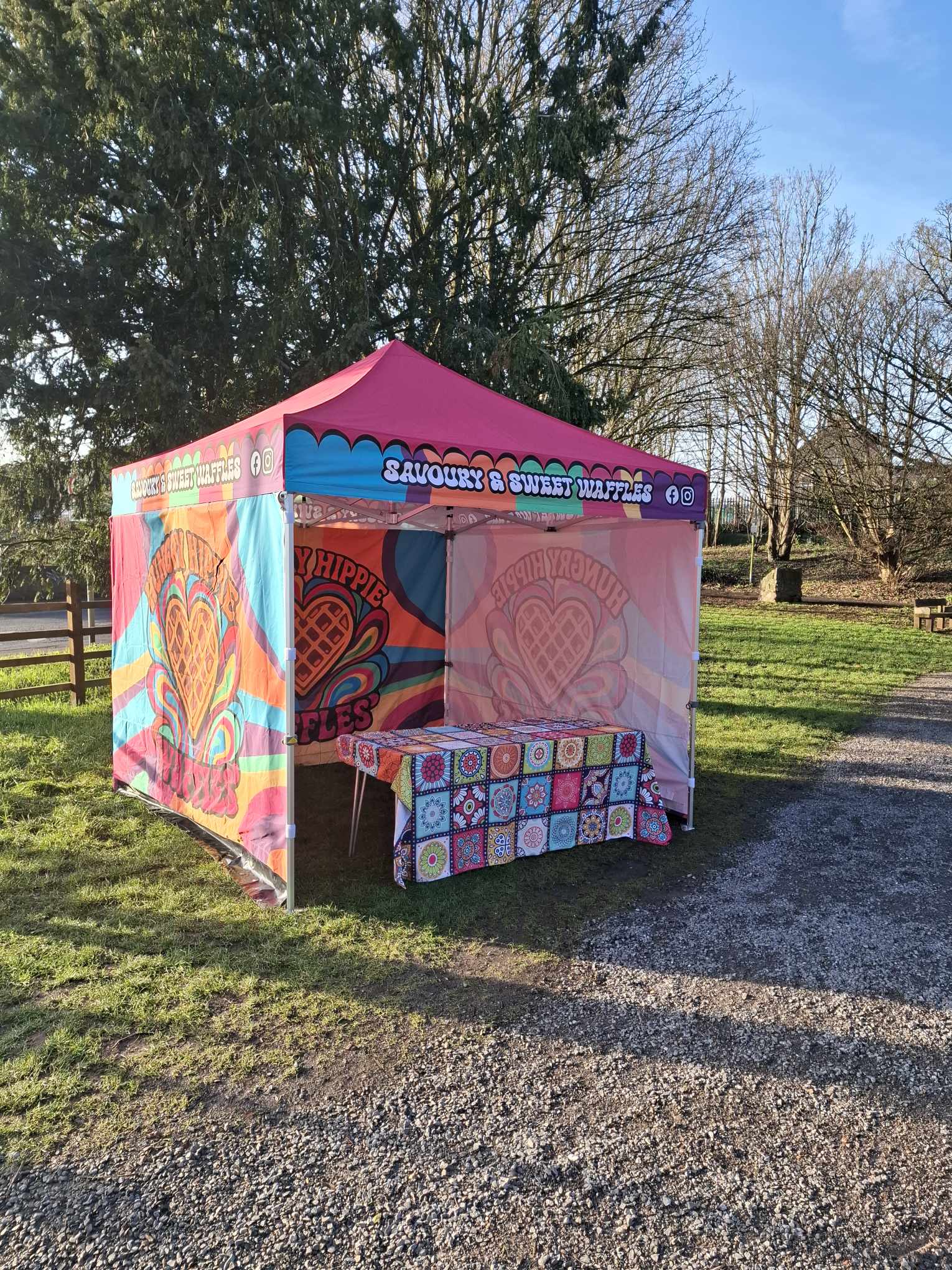
Party Tent

The Psychology Behind Colour in Branding


Written by Jonathan Rodgers

Colour does far more than make branding look attractive. It influences emotions, shapes first impressions, and helps customers decide how they feel about a business within seconds. Discover the psychology behind colour in branding and why choosing the right colours can make a lasting impact.

Imagine walking through a supermarket aisle and seeing a row of products you've never purchased before.

Before reading the labels, comparing prices, or understanding what each product does, your brain has already started forming opinions. Those opinions are often influenced by one thing more than anything else.

Colour.

Colour is one of the most powerful tools available in branding. It helps businesses communicate personality, build recognition, create trust, and influence how customers feel long before a word has been read.

While colours don't guarantee success, they can dramatically shape the way a brand is perceived. This is why some of the world's biggest companies invest significant time and resources into selecting the right colour palette for their identity.

Colour Creates First Impressions Before Words Do

Most branding elements require attention.

Logos need to be read. Messaging needs to be understood. Product information needs to be processed.

Colour works differently.

The human brain processes colour almost instantly, allowing people to form emotional responses before they consciously analyse anything else. This means colour often becomes the very first communication a brand has with its audience.

A customer may not remember a slogan or product description, but they will often remember how a brand looked and felt.

This is one of the reasons why colour selection is such an important part of creating effective branding.

Different Colours Create Different Associations

Although colour perception varies between individuals and cultures, certain colours tend to create common emotional associations.

Blue is often linked with trust, professionalism, reliability, and security. This is one reason why banks, technology companies, and professional service providers frequently use blue within their branding.

Red is associated with energy, excitement, urgency, and passion. It naturally attracts attention and is commonly used in promotions, food branding, and businesses looking to create strong visual impact.

Green is often connected to health, sustainability, nature, growth, and wellbeing. Businesses operating within environmental, wellness, or outdoor sectors frequently incorporate green into their visual identity.

Yellow can create feelings of optimism, positivity, and friendliness. It stands out effectively but requires careful use to avoid overwhelming other branding elements.

Black is commonly associated with luxury, sophistication, authority, and exclusivity. Many premium brands use black to reinforce a more high-end image.

The key point is not that one colour is better than another. The most effective colour choice is the one that supports the message a business wants customers to receive.
Why Consistency Matters More Than Colour Choice

Many businesses spend a lot of time choosing colours but very little time using them consistently.

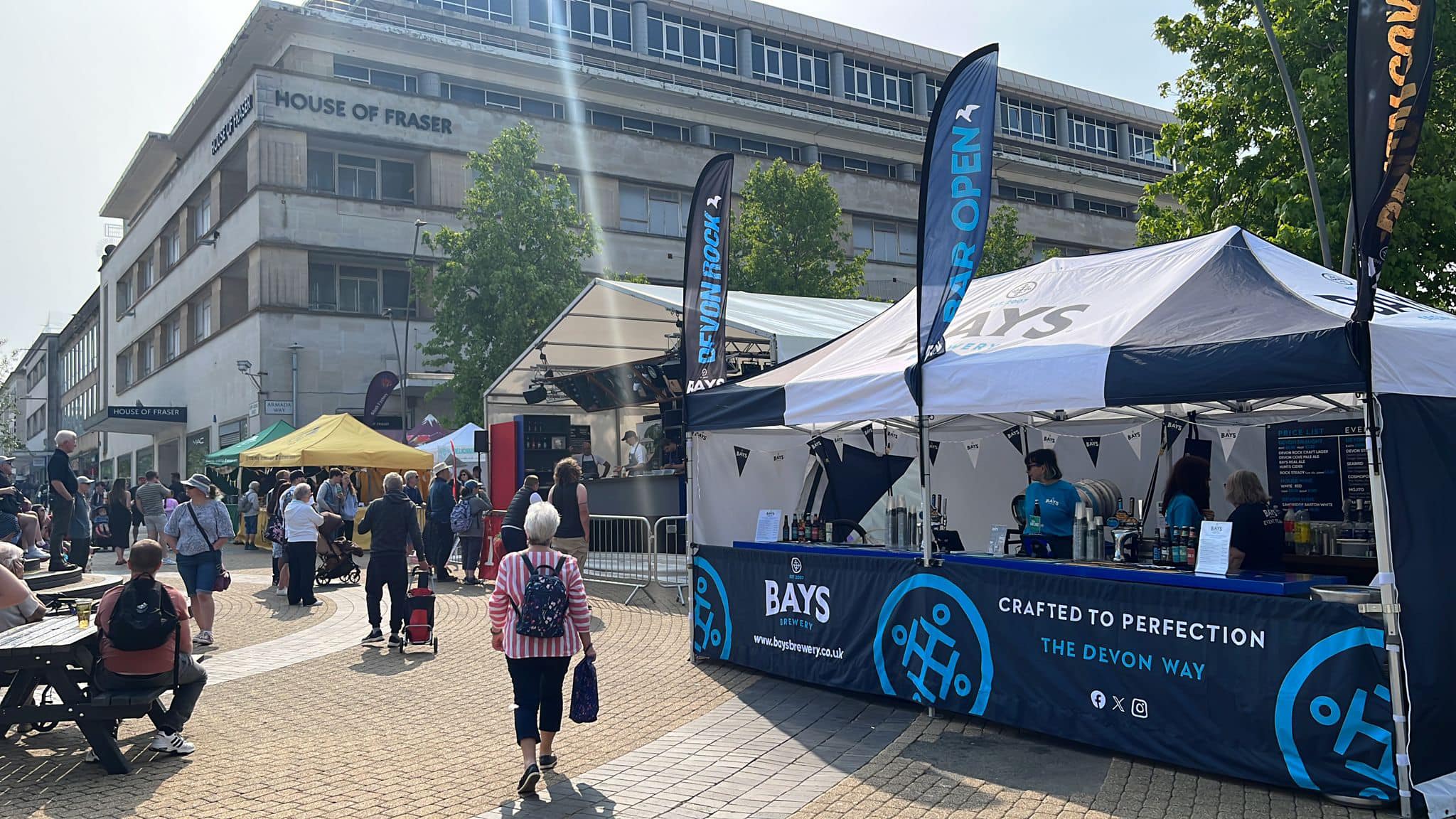
Customers build recognition through repetition. When the same colours appear across websites, signage, vehicles, uniforms, social media content, printed materials, an event displays, the brand becomes easier to recognise over time.

Think about some of the world's most recognisable brands.

Often, you can identify them purely from from their colour palette before seeing a logo or company name.

This level of recognition does not happen because the colour itself is magical. It happens because the colour has been used consistently for years.

For businesses looking to strengthen their branding, consistency is more valuable than constantly redesigning visual identity. 

colourful gazebo using their recognisable colour scheme

Colour Influences Trust

Trust is one of the most valuable assets a business can build.

Interestingly, colour can influence trust levels more than many people realise. Customers often associate certain colour combinations with professionalism and credibility, while poorly chosen colours can unintentionally create confusion or inconsistency.

This is particularly important for businesses operating within competitive industries where customers are comparing multiple providers at the same time.

Strong branding helps customers feel more confident about the business behind it.

While colour alone will never create trust, it can support the wider impression a company is trying to communicate.

Colour Helps Businesses Stand Out

Modern customers are exposed to thousands of marketing messages every day.

Social media feeds, websites, advertisements, shop displays, event branding, and packaging are all competing for attention. In this environment, colour plays an important role in helping businesses become more noticeable.

Effective colour choices help brands:

  • Capture attention
  • Improve recognition
  • Strengthen identity
  • Increase memorability

The goal is not simply to use bright colours. It is to use colours strategically so the brand remains distinctive and recognisable within its market.

fully detailed and branded logo, showing of their feather flags etc.

Colour Psychology Works Best Alongside Strong Design

Colour is only one piece of the branding puzzle.

A strong colour palette combined with poor design will rarely create effective branding on its own. Likewise, excellent design can often be weakened by colour choices that fail to support the overall message.

The most successful brands understand how colour, typography, imagery, messaging, and layout work together to create a complete visual identity.

When these elements align, branding becomes much more powerful and much easier for customers to recognise and remember.

Colour Is Often the First Thing Customers Notice

Before customers read a headline, recognise a logo, or understand a message, they have already reacted to colour. This makes colour one of the most influential elements within any branding strategy and one of the fastest ways businesses communicate personality and professionalism.

Strong Branding Uses Colour With Purpose

The best brands do not choose colours randomly. Every colour supports a wider message, helping customers understand what the business represents and how it wants to be perceived. When colour is used consistently, it becomes one of the strongest tools for building recognition and trust.

Frequently Asked Questions

What is colour psychology in branding?
Colour psychology is the study of how colours influence emotions, perceptions, and customer behaviour when interacting with brands.
Why is colour important in branding?
Colour helps businesses create first impressions, improve recognition, communicate personality, and influence how customers perceive a brand.
Which colour is best for branding?
There is no single best colour. The most effective colour depends on the message, audience, and personality a business wants to communicate.
Why do many businesses use blue branding?
Blue is commonly associated with trust, professionalism, reliability, and security, making it popular across many industries.
How can businesses use colour more effectively?
Businesses should choose colours that reflect their brand personality and use them consistently across all marketing and branding materials.
expert advice from Gala Graphics


Need Help?

Request a call back