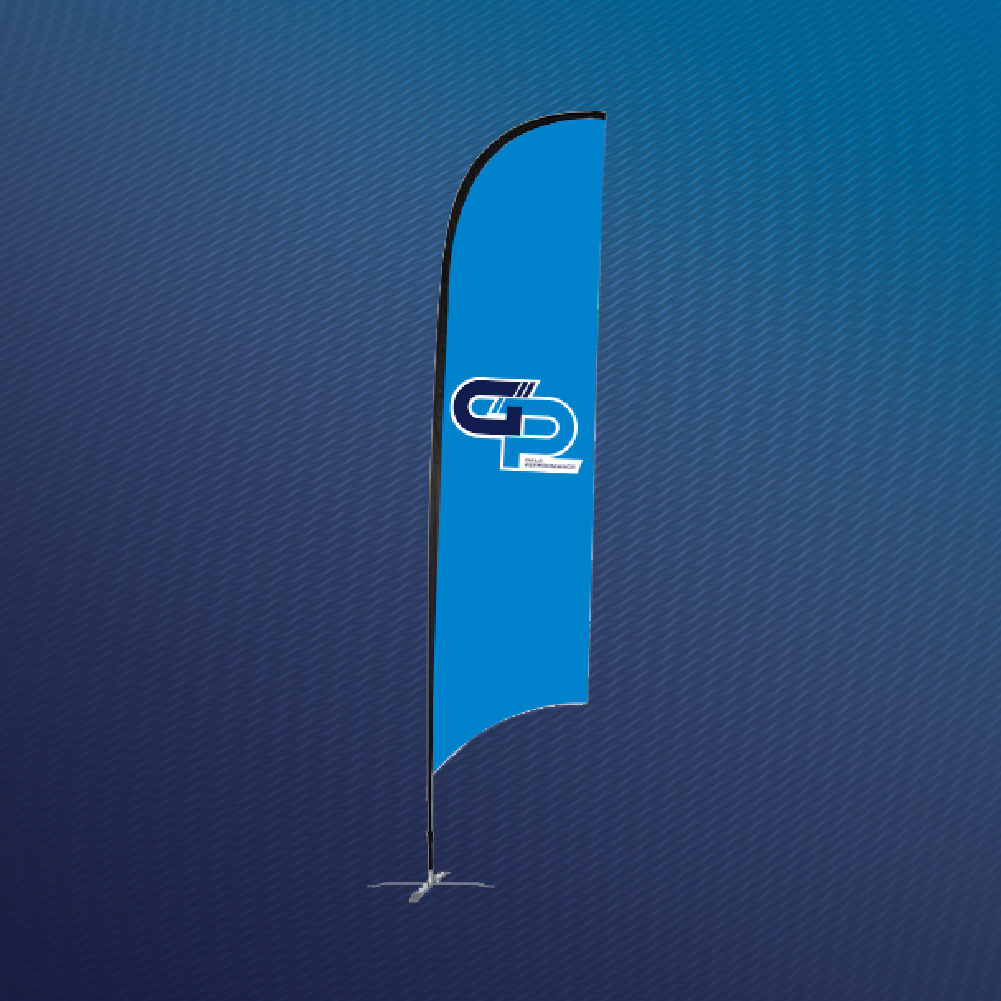
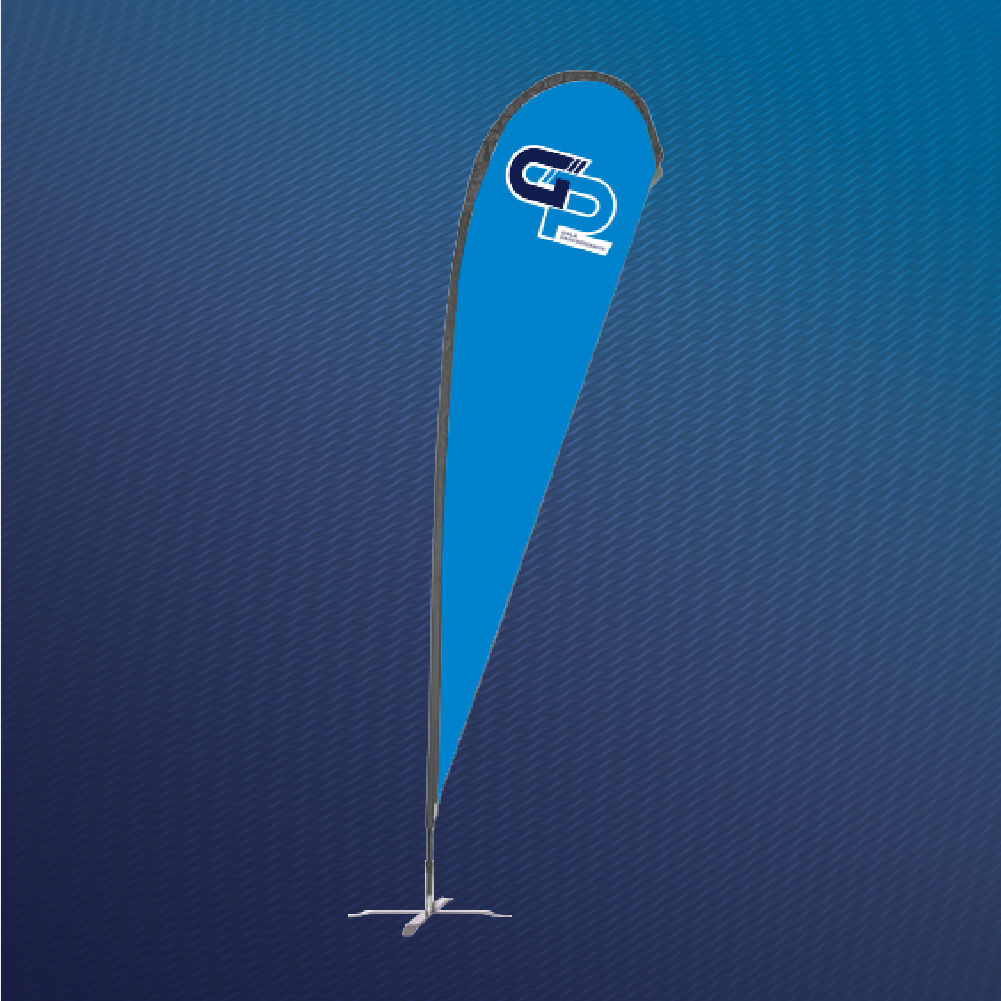
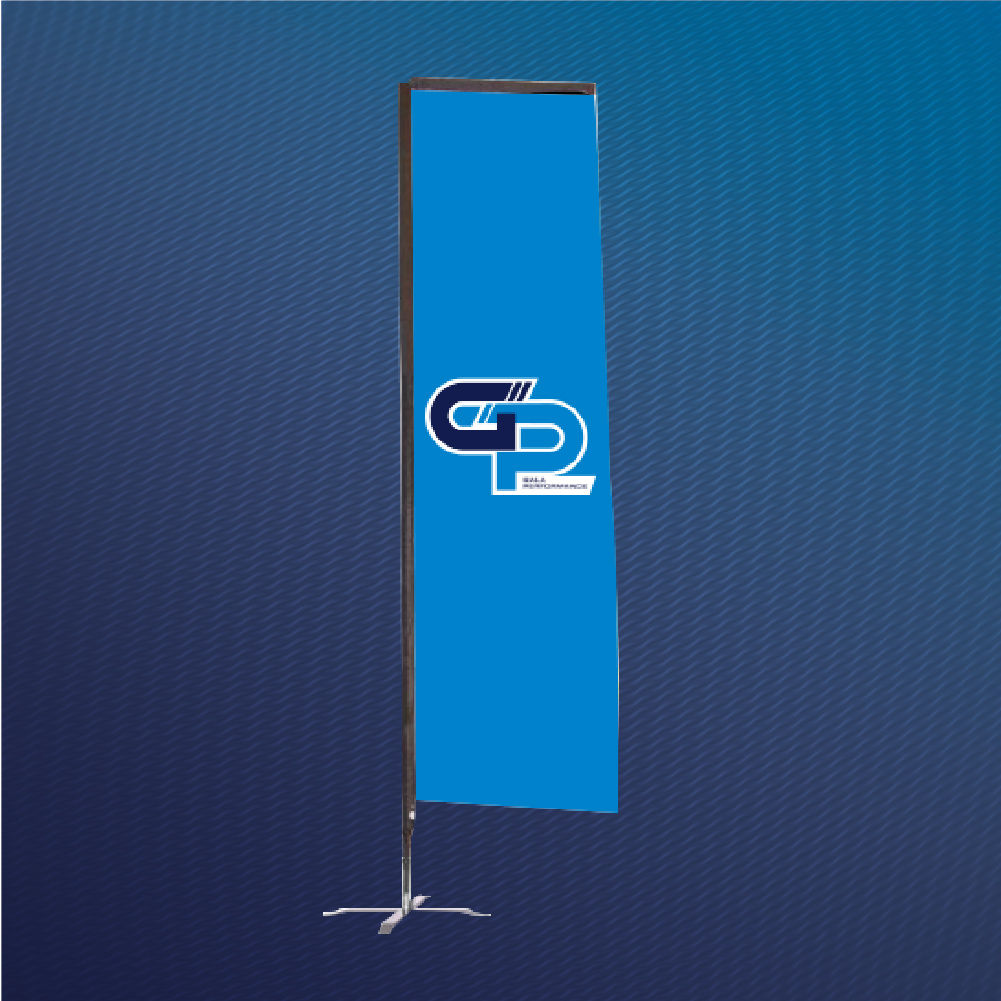
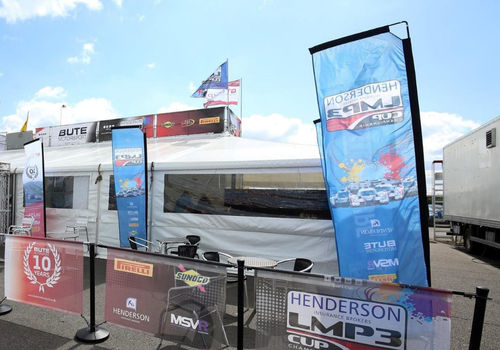
Printed feather flags flying beside an event stand

The Complete Guide to Feather Flags for Business

Written by Jonathan Rodgers

Feather flags add height, movement and visibility that a stand at ground level can never match. Here is how the main flag shapes compare, where to place them, and how to use printed flags to pull people towards your business from across a busy event.

Feather flags are one of the most cost-effective ways to be seen at an event, because height and movement catch the eye before anything at ground level does. They work outside shops, at markets, festivals, forecourts, and sporting events, drawing attention from a distance and guiding people towards your business. Here is how to choose and use printed flags effectively.

Most branding sits at eye level or below, which is a problem at a busy event where dozens of businesses compete for attention across a crowded field. Flags solve that by lifting your brand into the air where there is far less competition, and the gentle movement of fabric in the wind is exactly the kind of cue the eye is drawn to automatically. That is the pre-attentive processing principle working in your favour.

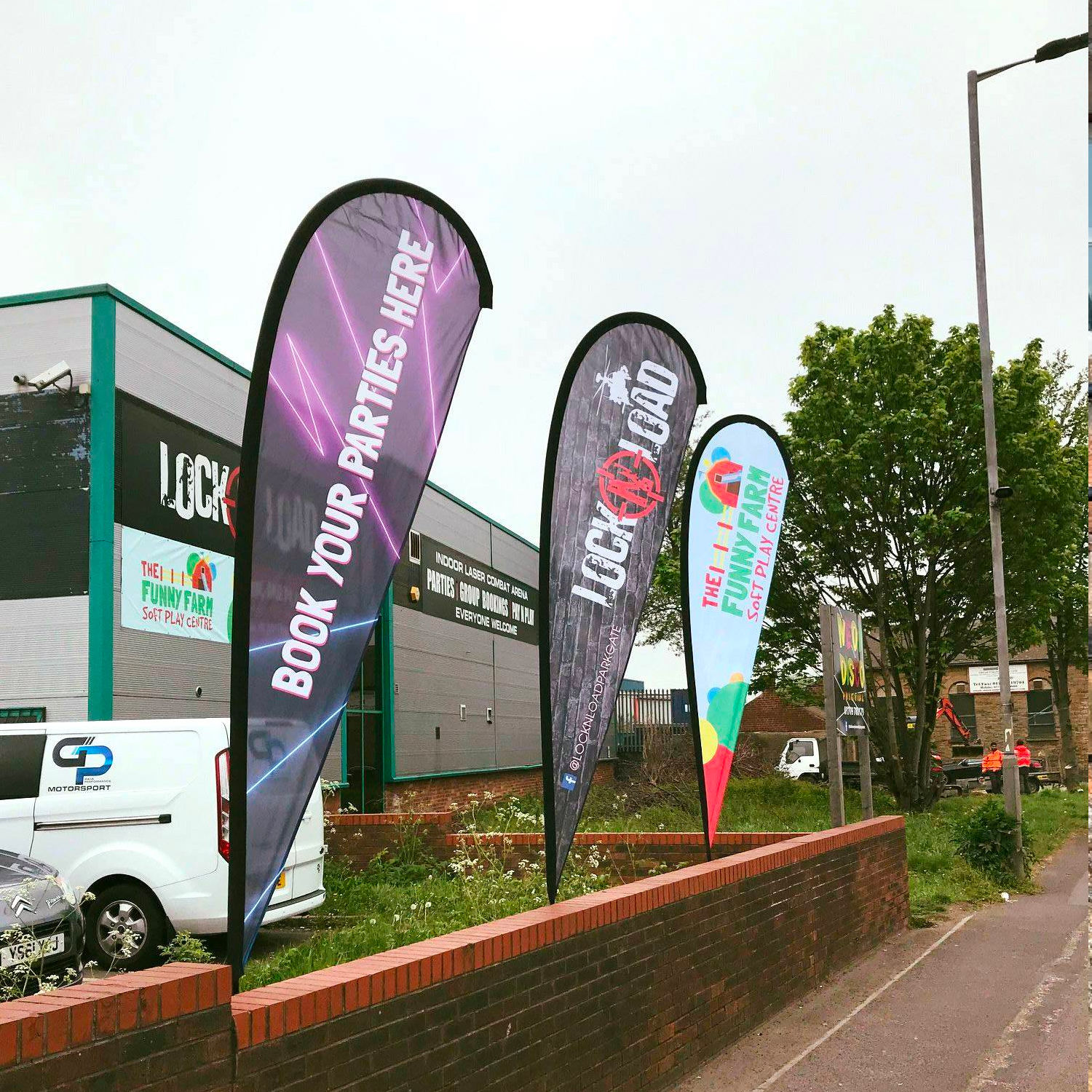
Printed flags outside a motorsport hospitality unit

Why Flags Work So Well

A flag earns attention in a way few other products can. It is visible from far away, it moves, it takes up vertical space that nothing else is using, and it costs a fraction of a large structure. For a small business weighing up where to spend, a pair of flags often delivers more visibility per pound than almost anything else in the range. They also pack down small and set up in moments, so they travel easily between events.

The Main Flag Shapes

Printed flags come in a few common shapes, each with a slightly different look:

  • Feather flags have a tall, gently curved top edge and a flowing shape, giving a soft, dynamic look that suits most businesses.
  • Sail flags carry a taller, narrower profile that holds its shape well and reads cleanly from the side, which is why they suit lining a path or an approach.
  • Teardrop flags have a rounded, tension-held shape that keeps the graphic taut and readable even in lighter wind.
  • Rectangular or blade flags have straight edges and a more formal, structured appearance, offering the largest flat print area.

The right shape comes down to the look you want and how much print space you need. Check the current options on our printed flags page, and if you are unsure which suits your branding, the team can advise.

Single-Sided or Double-Sided?

This is the decision that catches people out, and it costs them half their visibility. A single-sided flag is printed on one face, and the reverse shows a faint mirror image of the design bleeding through the fabric. Anyone approaching from behind reads your logo backwards.

A double-sided flag has two printed panels with a blocking layer between them, so the design reads correctly from both directions. At an event where people walk past you in both directions, which is most events, that is the difference between being legible to everyone and being legible to half the crowd.

Our 2.0m double-sided sail flag is the compact way into that. At two metres it sits below the height of a gazebo canopy rather than towering over it, which makes it well suited to a shop doorway, a forecourt, a market pitch, or anywhere with an awning or a low ceiling to work around. Being double printed, it works just as hard for the people walking away from you as the ones walking towards you.
3.5m printed feather flag
4.2m printed teardrop flag
4.0m printed sail flag

Where to Place Your Flags

Placement makes a big difference to how well flags perform:

  • Either side of your entrance to frame the way in and signal where to head
  • Along a path or approach to lead people towards your stand from a distance, where a double-sided sail flag earns its keep because it reads from both directions
  • At the edges of your pitch to mark the boundary of your space
  • Beside a printed gazebo to add height above the canopy line

A matched pair either side of a gazebo is one of the most effective and popular setups, and it ties directly into the coordinated approach covered in our best branding products for outdoor events guide.

Keep the Design Simple

A flag is read quickly, at distance, often while someone is walking. That means a bold logo, strong colours, and very few words. Long messages and small text are wasted on a flag, so treat it as a recognition tool first. The same clarity that makes a gazebo design work applies here, and getting the artwork print-ready keeps it sharp, which our artwork guide covers.

Indoor Use

Flags are not only for outdoors. Indoor flag versions work well at exhibitions, in showrooms, and at large venues, adding height above the crowd in a busy hall. They pair naturally with exhibition stands and other indoor branding for events held inside. Indoors, height is usually the constraint rather than wind, so a shorter flag such as the 2.0m sail flag often fits a hall with a low ceiling where a taller flag will not.

Frequently Asked Questions

What is the difference between feather and teardrop flags?
Feather flags have a tall, curved top and a flowing shape, while teardrop flags have a rounded outline that holds the graphic taut and readable in lighter wind.
Should I choose a single-sided or double-sided flag?
A single-sided flag is printed on one face, so anyone approaching from behind sees a faint mirror image and reads your logo backwards. A double-sided flag has two printed panels with a blocking layer between them, so it reads correctly from both directions. Our 2.0m sail flag is double printed for exactly that reason.
How many flags do I need?
Most businesses use a matched pair, one either side of an entrance or gazebo, to frame the space and add height that draws the eye from a distance.
What should I put on a feather flag?
Keep it simple. A bold logo, strong brand colours, and minimal text work best, because flags are read quickly and from a distance.
Can I use flags indoors?
Yes. Indoor flag versions suit exhibitions, showrooms, and large venues, adding height above the crowd alongside your other indoor branding. Where ceiling height is tight, a shorter flag such as the 2.0m sail flag fits where a taller one will not.
Expert advice from Gala Graphics


Good Morning, how can I assist you today?

Assistance
ExpandAssistance   Alexandria