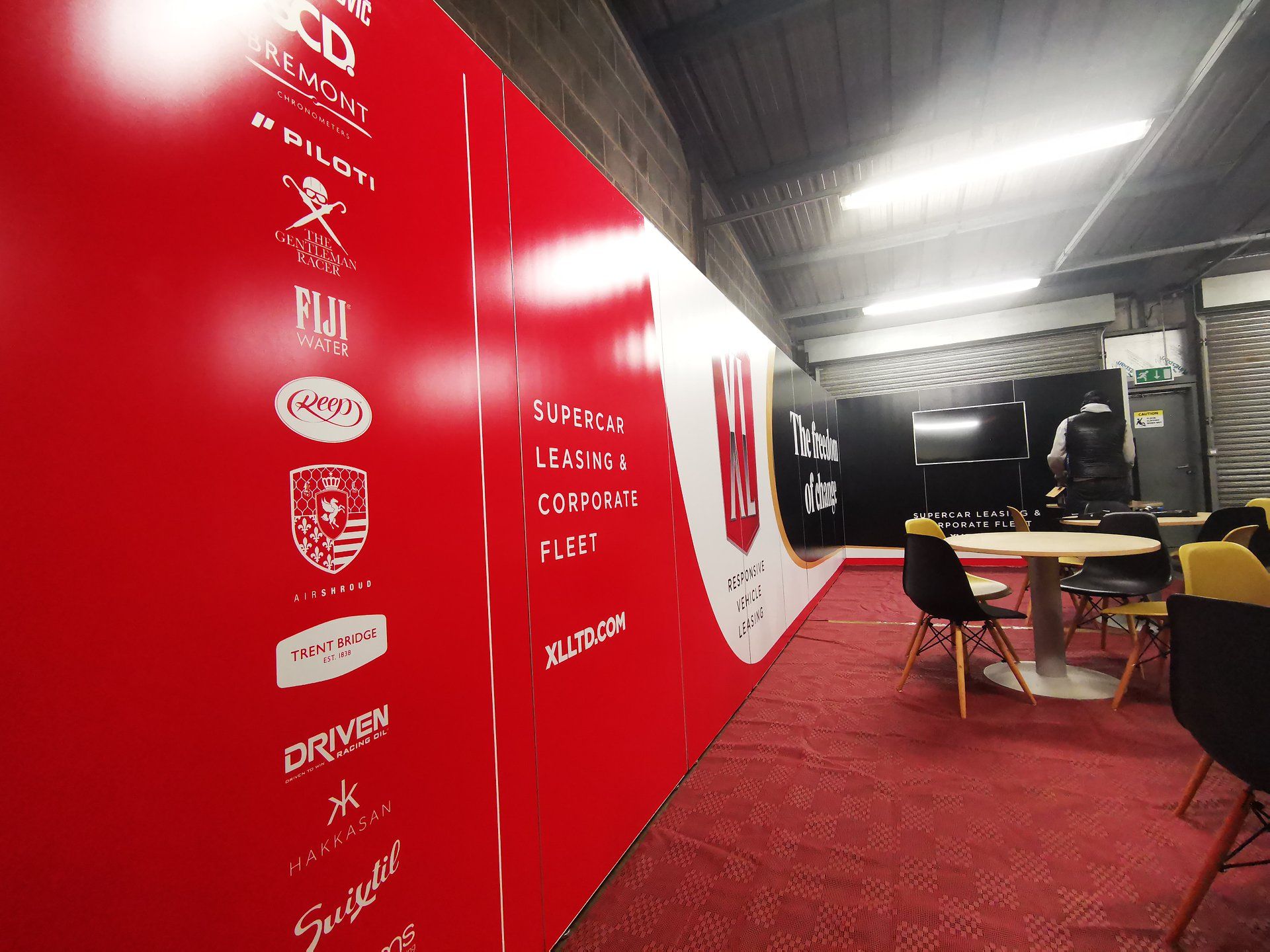
Promotional exhibition walling with printed fabric graphics

How to Design an Exhibition Stand That Gets Attention

Written by Jonathan Rodgers

Trade shows put you shoulder to shoulder with hundreds of competitors, and you have seconds to stand out. Here is how to design an exhibition stand that pulls visitors in from across the hall and keeps them once they arrive.

Trade shows and exhibitions are some of the most competitive environments a business can enter. With dozens, sometimes hundreds, of companies fighting for visibility in the same venue, attracting attention takes more than turning up with a banner and a table. A well-designed exhibition stand changes how visitors interact with your business from the moment they see it.

Visitors are surrounded by noise, movement, graphics, lighting, and sales messaging all day. Businesses have a few seconds to make an impression before potential customers move to the next stand. Strong visuals, clean layouts, and clear branding help you stand out and create a more memorable experience for people walking through busy halls.

Why First Impressions Matter at Exhibitions

People form opinions quickly at events. Before conversations begin, visitors are already making assumptions based on the appearance of a stand. A cluttered or poorly branded setup makes a business look unorganised, while a clean, professional display builds confidence. The same forces that decide whether a brand is remembered after an event are at work the instant someone reaches your stand, and they are a large part of why some stands always have crowds around them.

An exhibition stand should immediately communicate who the business is, what it offers, and why visitors should stop. If customers have to work too hard to understand it, there is a high chance they will keep walking. Strong exhibition branding helps a business appear more established, more professional, more trustworthy, and easier to remember. In crowded halls, visibility alone makes a real difference to footfall.

The Most Important Parts of an Exhibition Stand

Not every successful stand is oversized or expensive. Some of the most effective exhibition spaces use simple design principles focused on clarity and engagement.

Clear Branding

Your branding should be visible from multiple angles across the hall. Large logos, bold colours, and readable messaging help visitors identify your business quickly. Avoid overcrowding graphics with too much information, since exhibition visitors rarely stop to read paragraphs while walking through busy events. The artwork principles in our gazebo design guide apply just as well to a stand.

Bold Backdrops

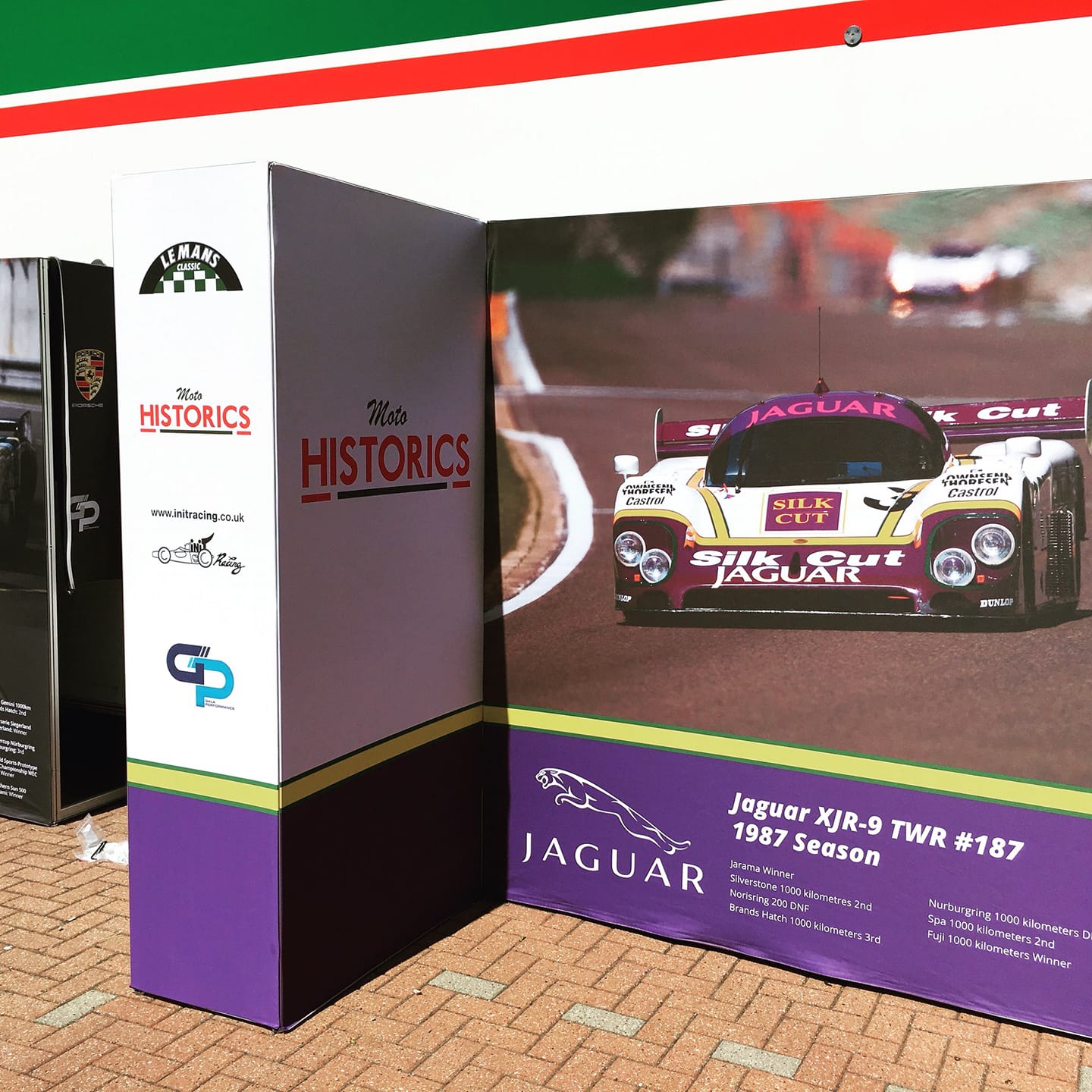
Printed backdrops are often the centrepiece of a stand because they create immediate visual impact and cleaner photo opportunities throughout the event. Large graphics, strong imagery, and simple messaging usually perform best.

Consistent Display Products

Matching products across the stand create a more premium, organised appearance. This can include printed table covers, roller banners, X banners, greeter stands, floor graphics, and flags. Consistency helps a business appear more polished and easier to trust. For a full breakdown, our which indoor branding products to use guide covers how they fit together.

Open and Welcoming Layouts

A common mistake is a layout that unintentionally blocks visitors from entering the stand. Open spaces feel more inviting, so think carefully about table placement, product positioning, walkways, and customer flow. The easier it feels to approach, the more likely visitors are to stop.
Choosing the Shape of Your Stand

Most exhibition pitches are sold as a shell scheme, which is a bare framework with blank walls. Printed surround walling turns that empty box into your stand, and the shape you choose decides how visitors move around you.

The 2m U-shaped exhibition stand encloses three sides. It gives you a back wall and two returns, which makes a contained space that holds visitors once they step inside and keeps neighbouring stands out of your photographs. It suits a standard inline pitch where people approach from the front only.

The 4m L-shaped exhibition stand is the larger, modular option, covering a back wall and one long return. That open corner is the point of it. On a corner pitch with traffic arriving from two aisles, an L-shape gives you a wide, welcoming entrance rather than a wall to walk around.

Work out where your visitors will be coming from before you choose. A U-shape on a corner pitch wastes half your footfall by presenting a blank side to one of the aisles.

Motorsport exhibition stand with printed fabric walling

Exhibition Stands Need to Work From Distance

Many businesses focus too heavily on details only visible up close. The most successful stands attract from across the hall first, then deliver detailed information once visitors approach. This is why large visuals, height, lighting, and clean messaging matter so much, acting almost like a visual magnet in crowded environments.

Plan What Goes on the Stand

Getting attention is the first job, and holding it depends on what fills the space once visitors arrive. Our guide on what to put on your exhibition stand covers the content side, including how much text to use, what belongs on each banner, and whether to show pricing. If you are working to a budget, the trade show budget guide helps you prioritise spend, and the portable display kit guide covers the lighter pieces that fill out the space.

Social Media Has Changed Exhibition Design

Modern stands need to look good in person and online. Visitors take photos and videos throughout events, especially when stands feature eye-catching visuals, interactive displays, bold branding, clean lighting, or creative layouts. A visually appealing stand often earns extra online exposure through social sharing during the event itself.

Professional Branding Helps Businesses Feel More Established

Exhibitions are where businesses meet potential customers, suppliers, investors, partners, and industry contacts, so presentation matters enormously. A professional stand builds stronger first impressions and increases confidence before conversations begin. Clean branding and organised displays often separate busy stands from those that struggle for attention. Carrying that same identity through your wider indoor branding keeps you consistent well beyond the show.

Frequently Asked Questions

What makes a good exhibition stand?
A good exhibition stand is visually clear, professionally branded, easy to understand, and designed to attract attention from distance while remaining welcoming up close.
Should I choose a U-shaped or an L-shaped exhibition stand?
The 2m U-shaped stand encloses three sides, which suits an inline pitch where visitors approach from the front. The 4m L-shaped stand covers a back wall and one long return, leaving an open corner that works better on a corner pitch with traffic from two aisles.
How do you attract visitors to an exhibition stand?
Bold branding, clean messaging, strong visuals, lighting, and open layouts all help businesses attract more visitors at exhibitions.
Are printed backdrops worth using at exhibitions?
Yes. Printed backdrops create strong visual impact and help businesses stand out within crowded exhibition halls.
How important is branding at trade shows?
Branding plays a major role in visibility, professionalism, and customer perception at trade shows and exhibitions.
Expert advice from Gala Graphics


Good Afternoon, how can I assist you today?

Assistance
ExpandAssistance   Alexandria